Annual Inspection Complete: What It Is, and What It Means to You
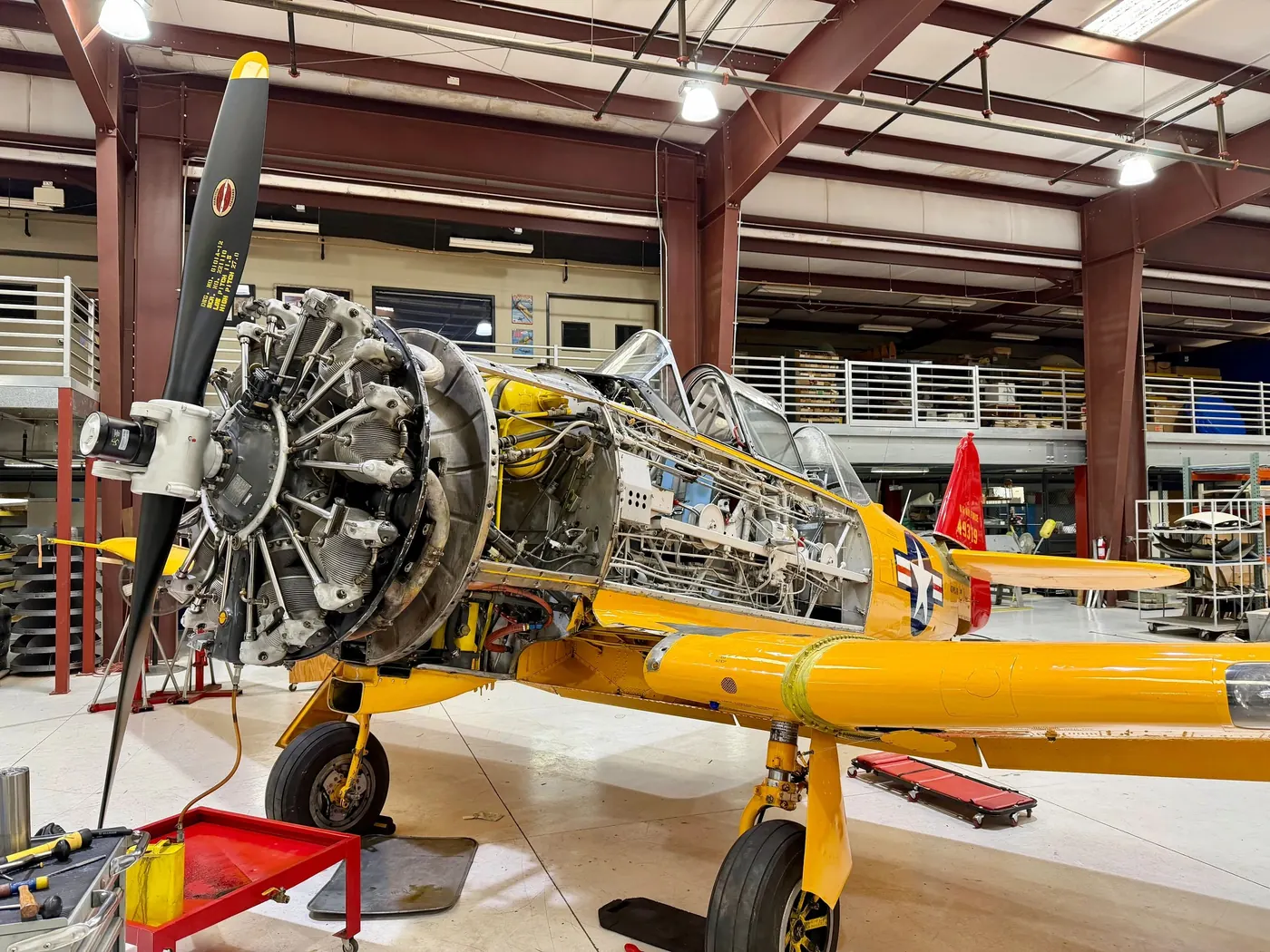
If you’ve ever wondered what it takes to keep a 1940s-era warbird flying safely in 2026, the short answer is: a lot of work, a lot of discipline, and a lot of respect for the machine.
We just wrapped up the annual inspection on our North American T-6 Texan—one of the most iconic training aircraft in aviation history—and I want to give you a behind-the-scenes look at what that actually means, why it’s required, and why it matters to you as a Legends Warbird Rides customer.
What is an “annual inspection” and why is it required?
In the United States, aircraft are maintained under strict FAA regulations. For most privately operated aircraft, an annual inspection is required every 12 calendar months. It’s not optional and it’s not a “quick look.” It’s a structured, documented inspection designed to ensure the aircraft is in airworthy condition.
Think of it like a full medical physical—but for an airplane. And unlike your car, you don’t get to ignore a warning light and “deal with it later.” Aviation maintenance is built around one idea: fix problems before they become problems.
Why it’s especially important for a warbird
A T-6 isn’t a modern commuter aircraft. It’s a high-performance, all-metal, radial-engine taildragger designed in an era when airplanes were built tough—and maintained constantly.
Warbirds bring unique considerations:
Age and history: Many airframes have decades of stories, repairs, modifications, and restoration work.
Higher vibration and mechanical loads: Big engines, big props, and aerobatic-capable structures mean you’re always watching for wear.
Parts and expertise: Warbird parts are not sitting on a shelf at the local dealership.
Operational environment: I fly this T-6 regularly, and I fly it safely—meaning I maintain it aggressively.
This is exactly why the annual inspection is a big deal. It’s our chance to open everything up, inspect it thoroughly, and make sure we’re not missing anything.
What happens during the inspection?
Without getting overly technical, here’s what a proper annual typically involves on a T-6:
1) Opening the aircraft
Panels come off. Fairings come off. Inspection covers come off. If you can’t see it, you can’t inspect it.
2) A structured checklist-driven inspection
Mechanics follow manufacturer guidance and FAA requirements to examine the aircraft’s critical areas—things like:
- Flight controls and linkages (the hardware that moves ailerons, elevator, rudder)
- Landing gear, wheels, brakes, tires, and tailwheel
- Engine condition and accessories
- Fuel system components and lines
- Oil system, hoses, fittings, and filters
- Electrical system and wiring integrity
- Structural inspection points (where fatigue or cracking can show up over time)
3) Service bulletins and airworthiness directives
Some safety items come from the manufacturer or the FAA and must be complied with. A good shop keeps track of what applies and ensures everything stays current.
4) Fixing what needs fixing
Annuals aren’t just “inspection”—they usually turn into maintenance. If something is worn, questionable, or due by time, it gets addressed. We don’t “kick the can.” That mindset doesn’t belong in aviation.
5) Documentation
At the end of the inspection, everything is logged properly. Maintenance records matter. They show history, care, compliance, and accountability.
Why good warbird mechanics are so important
Here’s the honest truth: the quality of the mechanics matters as much as the quality of the airplane.
Warbird maintenance isn’t just standard wrench-turning. It takes:
- Deep familiarity with older aircraft systems
- A feel for what “normal wear” looks like vs. early signs of a problem
- Experience with radial engines, vintage hardware, and legacy repairs
- Discipline to do things the right way—even when it takes longer
Good warbird mechanics are rare. And when you find them, you take care of that relationship—because they are a core part of safety.
That’s why I’m grateful for the team at GossHawk Unlimited, Inc. They know this aircraft, they know what to look for, and they treat it like it deserves to be treated.
What this means for Legends Warbird Rides (and for you)
If you’re considering a ride in my T-6, you deserve to know that this isn’t a “museum piece that gets wheeled out once in a while.”
This is a professionally maintained aircraft that is:
- Inspected on a strict schedule
- Maintained to high standards
- Flown responsibly and thoughtfully
- Supported by experienced warbird mechanics
Your experience should be thrilling—but never reckless. The point of Legends Warbird Rides is to give you an authentic taste of history, with modern professionalism and safety culture behind it.
The bottom line
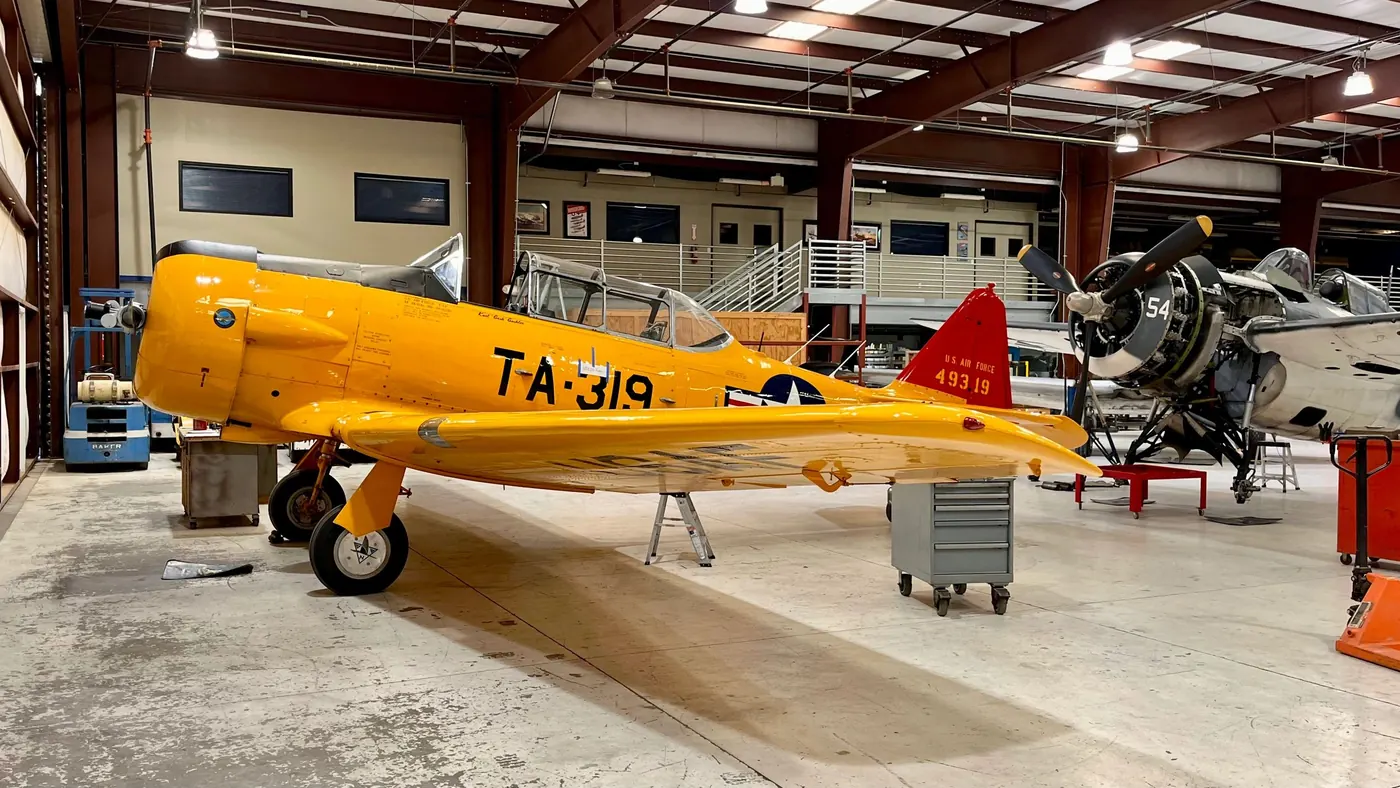
An annual inspection is one of the most important milestones in the aircraft maintenance cycle. It’s how we confirm that everything is solid, safe, and ready for another year of flying.
I'm proud to keep this T-6 in great shape—and I'm proud to share it with you.
If you’ve been thinking about booking a ride, this is a great time. The aircraft is fresh out of inspection, dialed in, and ready to fly.
Fly the Legend. Feel the Power.
—Karl